

Weight that creeps up around your middle, even when you feel like you’re eating and moving the same, is one of the most common changes in midlife. We look at hormones, metabolism, sleep, stress, and strength together to understand what’s likely contributing and to design a plan that makes change feel doable, not extreme.

Trouble concentrating, word‑finding issues, and feeling mentally “slower” or less sharp can show up even when standard labs look fine. We take brain fog seriously because it affects work, relationships, and confidence, and we explore how sleep, hormones, blood sugar, and daily routines may be playing a role.

Mood shifts in this season can feel like a stronger undercurrent of worry, sadness, or irritability that doesn’t fit your usual self. We consider how hormonal changes, sleep disruption, physical health, and life stress may be interacting. When appropriate, we encourage and support parallel care with mental health professionals rather than treating mood in isolation.

Feeling like you move from “okay” to frustrated or in tears very quickly can be draining. We look for patterns around hormones, sleep, blood sugar, and stressors, and we work with you on strategies that can help smooth out those swings over time.

Sudden heat, flushing, and waking up soaked at night are classic menopause symptoms that can severely disrupt sleep and daily comfort. We discuss evidence‑based options, which may include hormone therapy and lifestyle changes when appropriate, and help you decide what fits your situation and preferences.

Changes in desire, arousal, lubrication, and comfort during sex are common but often hard to bring up. We make space for open, judgment‑free conversation and look at hormonal, physical, and relational factors. When indicated, we can discuss targeted medical options and behavior changes that may help intimacy feel more comfortable and connected again.

New or worsening aches and stiffness, especially in the morning or after sitting, often show up in midlife. We explore how hormonal changes, inflammation, weight shifts, and movement patterns may be contributing, and weave joint‑friendly strength and movement into your overall plan.

Dry, itchy, or more fragile skin may seem cosmetic, but it can reflect underlying shifts. We look at internal contributors first (hormones, nutrition, environment) and discuss practical steps that fit what your skin is going through now.
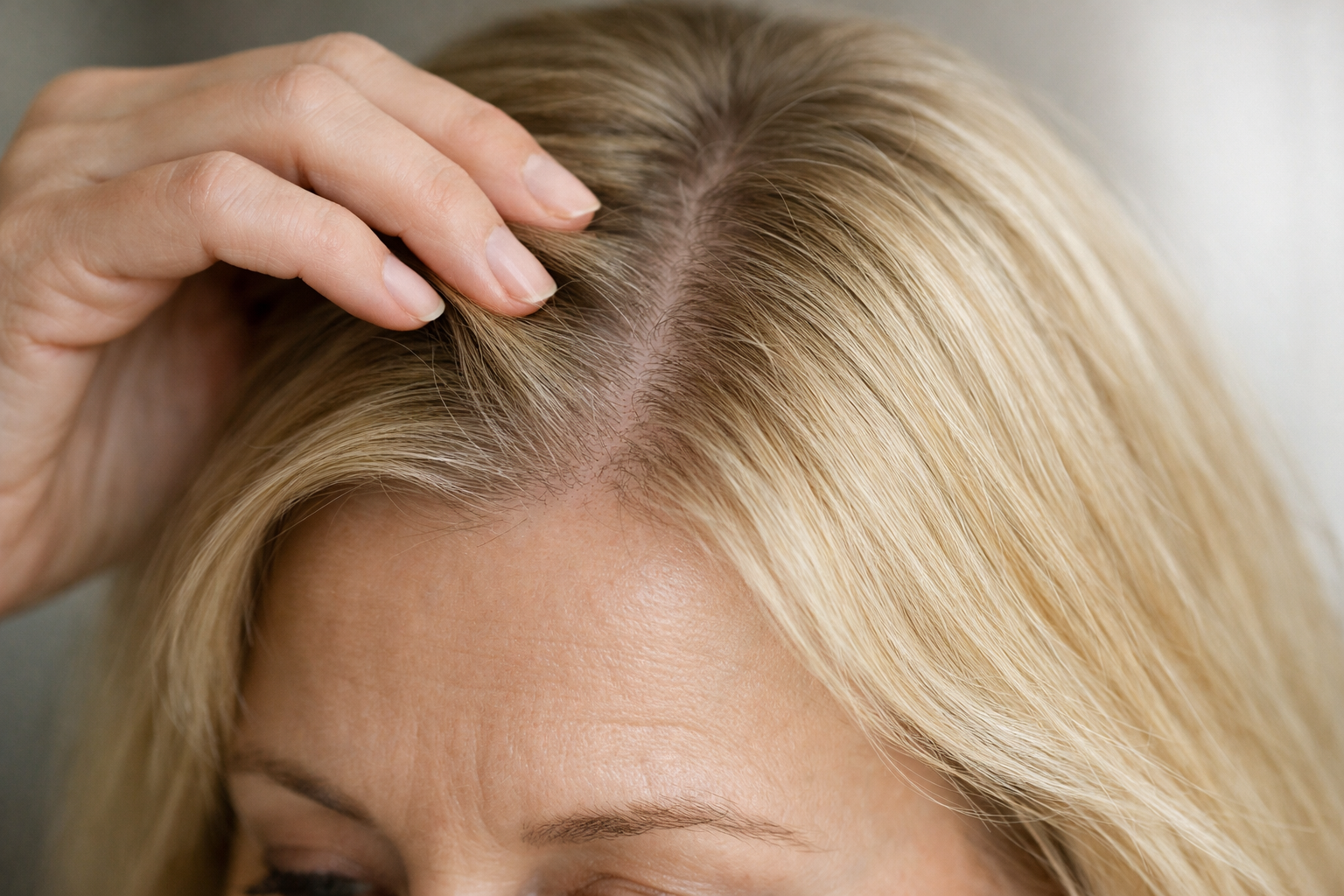
Hair that feels thinner, sheds more, or changes texture can be deeply distressing. We investigate likely contributors such as nutrition, hormones, stress, and thyroid status, and then outline a stepwise, realistic plan to support hair health.

Feeling like you’re running on empty, relying on caffeine to push through, or crashing hard in the evenings is not always “just being busy.” We look at sleep, hormones, iron and key nutrients, thyroid and metabolism, activity patterns, and overall load to find the most likely drivers and work on them systematically.

Headaches that change in pattern or frequency around midlife can be related to hormones, sleep, stress, or other medical issues. We listen carefully to your headache history, look for red flags, and recommend in‑person evaluation with a local clinician when an examination or imaging is needed beyond what telemedicine can safely provide.

Difficulty falling asleep, waking in the night, or waking unrefreshed touches everything else: mood, weight, focus, and relationships. We work on habits, environment, and medical contributors together so that sleep can gradually become more predictable and restorative.